Lip tint looks great at 8 a.m. and a lot less great at midnight, when a patchy pink stain is still sitting on my lips. Tints are made to survive meals, drinks, and everything in between, so regular makeup remover barely touches them. I used to scrub with a wet tissue and hope for the best. All I got was red, irritated lips and the same stain. Once I switched to gentler methods, I realized oil, patience, and a soft touch work far better than force. Here’s exactly how I remove lip tint now.
Why Lip Tint Is So Hard to Remove
Most tints use a dye that soaks into the top layer of the lips instead of sitting on the surface like regular lipstick. Many are also water-based or gel-based, which helps them last but makes them cling. That’s why I stopped relying on plain water and soap.
The good news is that most tints dissolve in oil. Once I understood that, removal got so much easier.
What I Keep on Hand
- A cotton pad or soft cotton round
- An oil-based product (my favorites are below)
- A soft, clean washcloth
- A gentle cleanser
- Lip balm or petroleum jelly
- A soft toothbrush or lip scrub (optional, for gentle exfoliation)
Step-by-Step: How I Remove Lip Tint
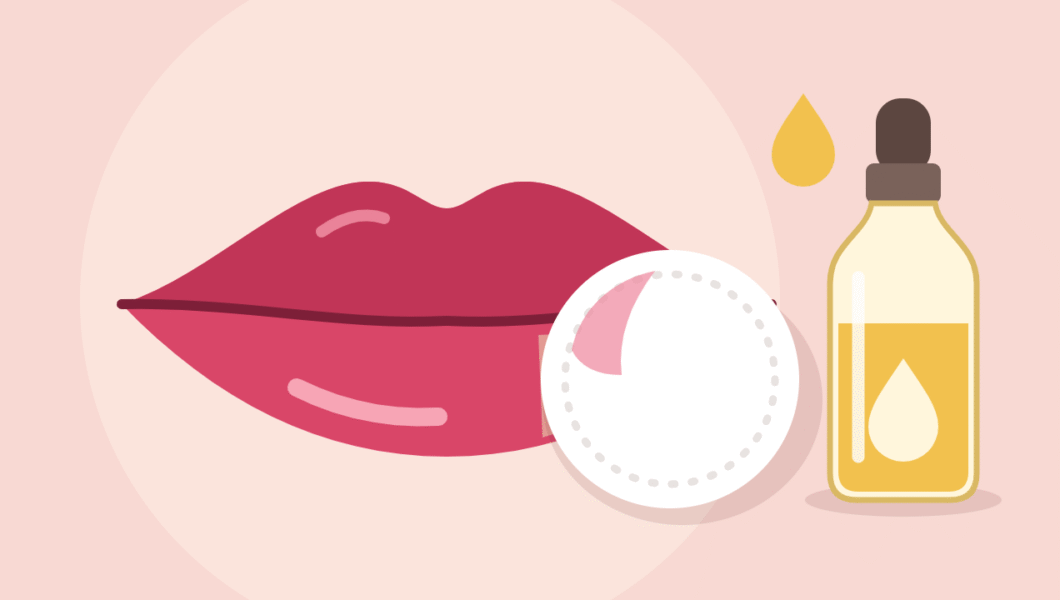
Start with oil
I put a small amount of oil or balm on a cotton pad and press it onto my lips for 20 to 30 seconds. That pause gives the oil time to break down the dye. I used to skip it and rub right away, which never worked.
Wipe gently
I swipe the pad in one direction, from the center of my lips outward. If I still see color, I repeat with fresh oil instead of pressing harder.
Wash off the residue
Next I use a damp washcloth or a gentle cleanser to remove the oily film, then pat my lips dry.
Moisturize right away
I always finish with lip balm. In my experience, lips feel a little dry after tint removal, and a protective layer helps them bounce back.
Best Products to Remove Lip Tint
| Product | Why it works | Best for |
| Coconut oil | Dissolves pigment and is easy to find | Most lip tints |
| Olive oil | Softens stains and moisturizes | Deep, dark stains |
| Petroleum jelly | Loosens color and protects lips | Dry or sensitive lips |
| Micellar water | Lifts light residue | Light, sheer tints |
| Oil-based makeup remover | Made to break down long-wear products | Waterproof or long-lasting tints |
| Lip balm | Easy and always in your bag | Quick touch-ups |
I find coconut oil and an oil-based makeup remover the most dependable, but I’d try anything oil-based first before reaching for something harsh.
When the Stain Still Won’t Budge
Sometimes a bit of color lingers even after I’ve used oil, especially if I’ve worn the tint for a couple of days in a row. That’s when I use light exfoliation.
I mix a pinch of sugar with a little honey or oil and massage it onto damp lips in soft circles for about 20 seconds. Then I rinse and follow with balm. A soft, damp toothbrush works too, as long as I use very light pressure.
I keep this occasional. When I overdid it once, my lips felt tight and sore for days, so now I skip exfoliating whenever they feel dry or cracked.
Quick Fixes When I’m in a Hurry
Balm and tissue:
I smooth on a thick layer of lip balm, wait a minute, then dab it off with a tissue.
Makeup wipes:
I use these only in emergencies, since many contain alcohol that leaves my lips dry.
Cleansing balm:
The same balm I use on my face lifts tint from my lips just as well, so I don’t need a separate product.
Tips That Make Removal Easier Next Time
Prep before applying:
A thin layer of lip balm under the tint keeps the color sitting on top instead of sinking in. This one habit made the biggest difference for me.
Apply lightly:
Thin layers come off much faster than thick, heavily pigmented ones.
Remove it at night:
I noticed that tint left on overnight is far harder to take off the next day, so I made removal part of my bedtime routine.
Keep my lips hydrated:
Smooth, moisturized lips hold less stain than dry, flaky ones, so I drink water and use balm during the day.
Mistakes I Learned to Avoid
Scrubbing hard:
I used to think more force meant more color removed. It just irritated my skin.
Using only water:
Most tints repel water, so I stopped expecting it to do the job alone.
Picking at flaky lips:
Every time I pulled at dry skin, I ended up with cracks and soreness.
Using harsh products:
I’d skip alcohol-heavy toners, nail polish remover, or any strong chemical. They can burn or dry out your lips.
Skipping moisturizer: Lips don’t have oil glands the way the rest of the skin does, so they need balm after cleansing. I learned this the hard way.
Safety Notes
Lip skin is thin and sensitive, so I go slowly with anything new. Before I try a new oil or product, I test a small amount on my inner wrist and wait a few hours to check for a reaction. I stop using anything that causes burning, itching, swelling, or a rash.
I’m also careful around my eyes, since oil-based removers can sting if they get in. I try not to swallow products, and I’d never use household cleaners, bleach, or other harsh chemicals on my lips. If irritation doesn’t go away, or you notice cracking, swelling, or sores that don’t heal, check in with a doctor or dermatologist.
Frequently Asked Questions
Can I remove lip tint with just water?
In my experience, not really. Water may lighten a sheer tint, but long-wear formulas generally need oil to break down.
Why does my lip tint leave a stain?
Tints contain dyes that absorb into the top layer of the lips, so some color can remain even after the product is gone.
How long does a lip stain last?
It depends on the formula and your lips, but for me a leftover stain usually fades within a day as the skin naturally sheds.
Is it safe to use coconut oil on lips?
For most people, yes. I still recommend testing a small amount first in case of allergies.
Can I exfoliate every day?
I wouldn’t. I keep it to once or twice a week at most, and less if my lips feel dry or sensitive.
The Bottom Line
Lip tint doesn’t have to be a fight. I use an oil-based product, let it sit for a few seconds, wipe gently, and finish with balm. I save exfoliation for stubborn stains and keep it light. Rubbing harder rarely helps and often does more damage than the stain itself. With the right method, I get a clean, comfortable finish every time, and I think you will too.