Introduction
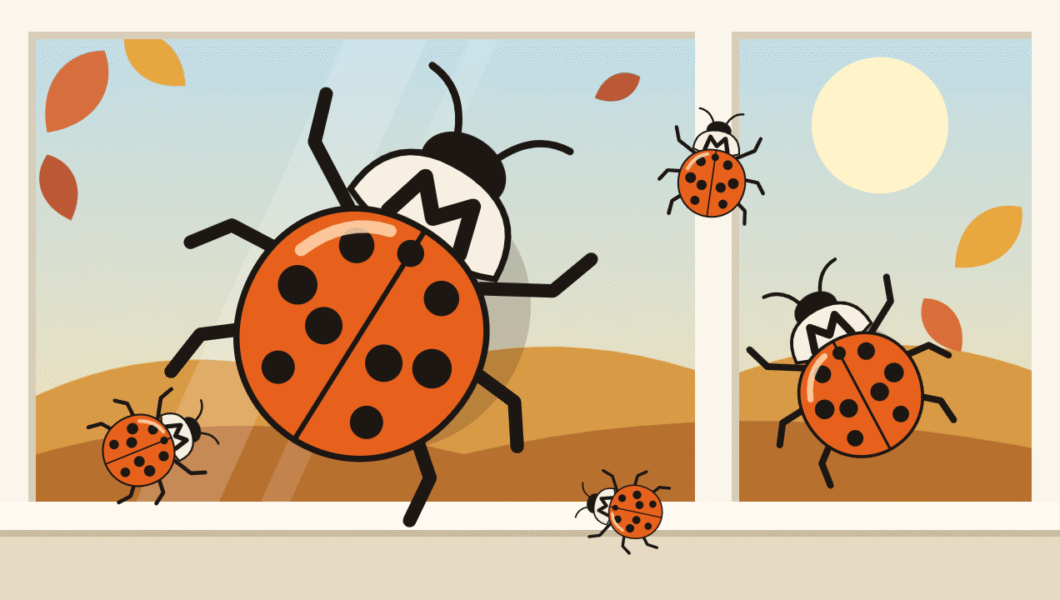
Every fall, the same thing happens in countless homes: a few orange beetles show up on a sunny window, and within days there are dozens, then hundreds. Lady beetles are famous as garden helpers, but when they move indoors for winter, they quickly become unwelcome guests.
The good news is that lady beetles are mostly a nuisance rather than a danger. They don’t breed indoors, don’t chew through wood or fabric, and don’t carry serious diseases. Still, a large group can be annoying, and some people find the smell and stains they leave behind hard to tolerate. This guide walks you through how to remove them quickly, naturally, and for good.
Lady Beetles vs. Asian Lady Beetles: How to Tell the Difference
Most of the beetles that invade homes are actually Asian lady beetles, a species introduced to North America to control crop pests. They look similar to native lady beetles, but there are some clues:
- Color: Asian lady beetles range from pale yellow to deep red-orange, while native species are usually bright red.
- Markings: Look for a white “M” or “W” shape on the area behind the head.
- Size: Asian lady beetles are slightly larger and more oval.
The difference matters because native lady beetles rarely gather indoors in large numbers. Asian lady beetles do, which is why they’re the main cause of household infestations.
Why Lady Beetles Come Into Your Home
Lady beetles aren’t looking for food or a place to breed. They’re looking for a warm, protected spot to survive winter. As temperatures drop in autumn, they gather on sunny, light-colored exterior walls, then crawl into any gap they can find.
Common entry points include:
- Cracks around windows and door frames
- Gaps in siding and fascia boards
- Attic vents and soffits
- Utility openings for pipes and cables
- Damaged window screens
Homes near fields, woods, or tall trees often see the most activity, and so do buildings with south- or west-facing walls that catch afternoon sun.
Signs of a Lady Beetle Infestation
You may have a larger problem than a few stragglers if you notice:
- Clusters on sunny walls and window frames, especially on warm days
- Yellow-orange stains on walls or curtains, left by their defensive fluid
- A noticeable odor, often described as musty or like old leaves
- Beetles in hidden spaces such as attics, wall voids, and light fixtures
On a warm winter day, beetles hiding inside walls may become active and wander into living spaces, which surprises many homeowners.
Quick Ways to Remove Lady Beetles Right Now
If beetles are already inside, start with these fast methods.
Vacuum them up. This is the most efficient option. To avoid the lingering smell, place a nylon stocking or thin cloth over the hose end, secured with a rubber band, so the beetles collect in the stocking instead of inside the machine. Empty it outdoors or seal it in a bag and throw it away.
Sweep and release. For a few beetles, use a broom and dustpan or a piece of paper to scoop them up and release them outside. This works best if you’d rather not harm them.
Use soapy water. Fill a spray bottle with water and a few squirts of dish soap. Spray beetles directly, then wipe them up. Dropping them into a bowl of soapy water also works.
Natural Remedies to Get Rid of Lady Beetles
If you prefer to avoid chemicals, several natural options can help repel or eliminate them.
Diatomaceous earth. Sprinkle food-grade diatomaceous earth along windowsills, door thresholds, and attic edges. It dries out insects that crawl through it. Keep it away from pets’ and children’s breathing space, and avoid inhaling the dust.
Essential oils. Peppermint, citrus, clove, and lavender are often used as repellents. Mix about 10 to 15 drops of oil with a cup of water in a spray bottle and apply around windows, doors, and other entry points. Reapply every few days, as the scent fades.
Vinegar and water. A 50/50 mix of white vinegar and water can deter beetles when sprayed near entry points. It won’t kill them, but the smell may keep them away.
Bay leaves and citrus peels. Place bay leaves or fresh citrus peels on windowsills and in attic corners. It’s a simple, low-cost way to discourage them from settling in.
DIY Lady Beetle Traps
Traps are useful for catching beetles that have already gotten inside.
Light trap. Beetles are drawn to light. Place a desk lamp over a shallow pan filled with soapy water in a dark room. The beetles fly toward the light, fall into the water, and can’t escape.
Homemade bottle trap. Cut the top third off a plastic bottle, invert it into the base to form a funnel, and place a small light or a bit of sweet bait near it. Beetles crawl in but struggle to climb out.
Placement tips. Put traps in rooms where you see the most activity, such as sunny windows, attics, and basements. Check them daily and empty them outdoors.
How to Keep Lady Beetles Out for Good
Removal only solves half the problem. To stop them returning, you need to close the doors they’re using.
- Seal cracks and gaps around windows and doors with a quality silicone or latex caulk.
- Repair screens and replace worn weather stripping.
- Caulk siding gaps, utility openings, and spaces where pipes or cables enter the house.
- Install door sweeps at the bottom of exterior doors.
- Cover vents and chimney openings with fine mesh screening.
Do this in late summer or early fall, before beetles start looking for shelter.
Outdoor Prevention Tips
What you do outside makes a big difference.
- Trim vegetation growing against the house. Plants and branches give beetles easy access to walls.
- Reduce outdoor lighting at night, or switch to yellow bulbs, which attract fewer insects.
- Treat exterior walls in early fall with a natural repellent spray or, if you choose, a labeled insecticide applied to sun-facing walls and around entry points.
Timing is important. Applying barriers before beetles arrive is far more effective than trying to stop them once they’ve gathered.
What NOT to Do When Dealing With Lady Beetles
A few common mistakes can make things worse:
- Don’t crush them. They release a smelly yellow fluid that can stain walls, fabric, and carpet.
- Avoid indoor foggers and harsh sprays. They’re largely ineffective against beetles hiding inside walls and can expose your family and pets to unnecessary chemicals. Dead beetles left in walls may also attract other pests.
- Don’t ignore small entry points. Even a tiny gap can let in hundreds of beetles.
When to Call a Pest Control Professional
Consider professional help if:
- You see large numbers of beetles repeatedly, despite sealing and cleanup
- Beetles are living inside wall voids or attics that you can’t reach
- Someone in your household has allergies or asthma that worsen around the beetles
Professionals typically inspect your home, identify entry points, and apply exterior barrier treatments. The best time to call is late summer or early fall, before beetles begin to cluster.
Frequently Asked Questions
Do lady beetles bite?
Asian lady beetles can occasionally nip skin, but the bite is mild and rarely causes problems.
Are they dangerous to pets?
Eating a large number of them may upset a pet’s stomach or irritate its mouth. Keep pets from chewing on them, and contact a vet if symptoms appear.
Will they damage my home?
They don’t eat wood, fabric, or food. The main damage comes from staining and odor.
How long do they stay in the house?
They typically remain through winter and leave in spring when temperatures warm up, though some may linger longer.
Do they come back every year?
Yes, they often return to the same buildings because of leftover scent trails. Sealing entry points is the best way to break the cycle.
Conclusion
Lady beetles may be a seasonal annoyance, but they don’t have to take over your home. Start by removing the ones you see with a vacuum, soapy water, or gentle sweeping. Use natural repellents and traps to reduce the numbers, then seal entry points and manage your outdoor surroundings to keep them from coming back.
Quick prevention checklist:
- Seal cracks, gaps, and utility openings
- Repair screens and weather stripping
- Trim plants away from walls
- Reduce outdoor lighting
- Apply repellents in early fall
With a little preparation, you can enjoy a beetle-free home all winter long.