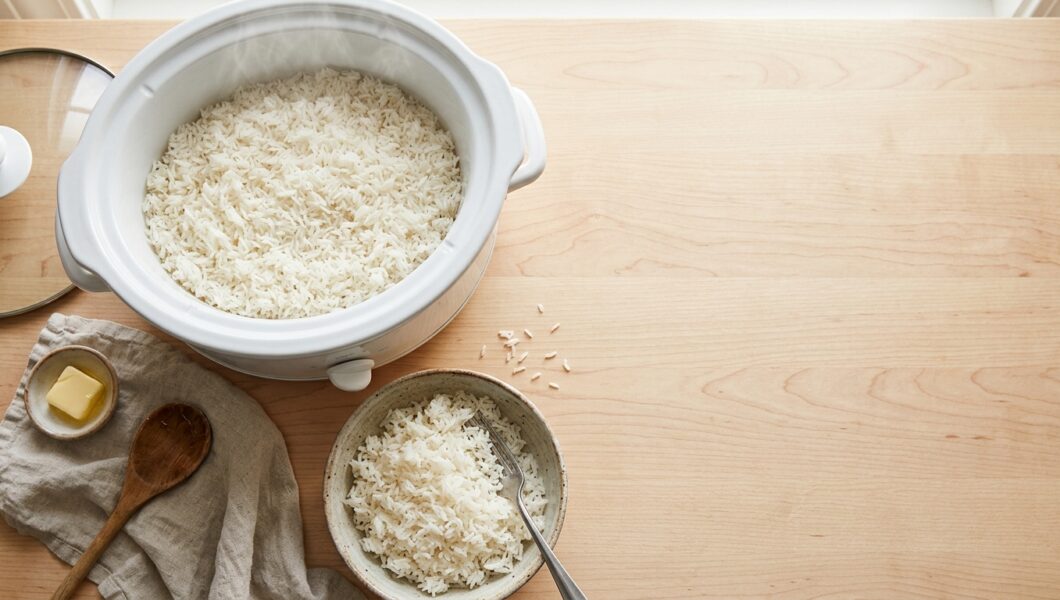
Rice is one of the simplest side dishes there is, but it’s also easy to ruin. Walk away from the stovetop for a minute too long and you end up with a scorched pot or a gluey mess. A slow cooker takes most of that risk away. You add the rice and water, set the timer, and come back to a pot of tender grains.
This method works best for busy cooks, big-batch meal preppers, and anyone who needs the stovetop free for other dishes. It’s also handy for holiday meals, potlucks, and any day you’d rather not stand over a pot.
Can You Cook Rice in a Slow Cooker?
Yes. Slow cooker rice cooks gently with trapped steam instead of at a rolling boil. The result is evenly cooked grains, as long as you get the water ratio right.
Pros:
- Hands-off cooking with no stirring or watching
- Frees up your stove
- Easy to make large batches
- Stays warm until serving (for a short time)
Cons:
- Takes longer than the stovetop (about 1.5 to 3 hours)
- Less forgiving if you guess the water amount
- Rice can stick or brown at the edges if you skip the oil
What You’ll Need
Ingredients (serves about 4):
- 1 cup uncooked rice
- 2 cups water or broth (see the ratio chart below)
- 1 tablespoon butter or oil
- ½ teaspoon salt
Equipment:
- A 3- to 4-quart slow cooker (smaller is better for small batches)
- A fine-mesh strainer for rinsing
- A fork for fluffing
- Optional: a slow cooker liner for easier cleanup
Best Types of Rice for the Slow Cooker
Long-grain white rice is the most reliable choice. It cooks evenly and stays separate and fluffy.
Brown rice works well too, though it needs more water and more time. The bran layer takes longer to soften.
Basmati and jasmine rice turn out fragrant and light. Rinse them well to keep them from clumping.
Rice to avoid: Short-grain varieties like sushi rice and arborio are very starchy and tend to turn gummy in a slow cooker. Instant or quick-cook rice also becomes mushy over long cooking times.
Rice-to-Water Ratio Chart
Slow cookers trap steam, so you need less water than you might expect for some methods, but more than you’d use for oven rice. These ratios are a reliable starting point.
| Rice Type | Rice | Water |
| Long-grain white | 1 cup | 2 cups |
| Basmati / jasmine | 1 cup | 1¾ to 2 cups |
| Brown rice | 1 cup | 2¼ to 2½ cups |
Adjusting for your slow cooker size: Keep the rice layer at least 1 to 2 inches deep. In a very large slow cooker, a small amount of rice spreads too thin and can dry out or scorch. If you only need a little rice, use a 2- to 3-quart model. Never fill the pot more than about halfway with rice and water, since rice expands as it cooks.
How to Cook Rice in a Slow Cooker: Step-by-Step
Step 1: Rinse the rice
Place the rice in a fine-mesh strainer and rinse under cold running water until the water runs mostly clear. This removes surface starch, which is the main cause of sticky rice.
Step 2: Grease the slow cooker
Rub the inside of the slow cooker with butter or oil, or use a liner. This prevents sticking and keeps the bottom layer from browning too much.
Step 3: Add rice, water, and seasonings
Add the rinsed rice, water or broth, oil or butter, and salt. Give it one quick stir so the rice sits in an even layer.
Step 4: Set time and temperature
Cover and cook on low or high according to the time chart below. Resist the urge to peek.
Step 5: Fluff and serve
When the water is absorbed and the rice is tender, turn off the heat. Let it sit covered for 5 to 10 minutes, then fluff with a fork.
Cooking Times for Different Rice Types
Cooking times vary by brand and slow cooker model, so treat these as a guide. The first time you try this, check a little early.
| Rice Type | Low | High |
| White long-grain | 2 to 2½ hours | 1 to 1½ hours |
| Basmati / jasmine | 2 to 2½ hours | 1 to 1½ hours |
| Brown rice | 2½ to 3 hours | 1½ to 2 hours |
Low vs. high: The low setting is gentler and gives you a better chance of evenly cooked, fluffy rice. High is faster but more likely to leave browned or crispy edges, especially in older or hotter slow cookers.
Tips for Fluffy, Perfect Rice Every Time
- Don’t lift the lid. Every peek lets out steam and heat, which throws off the cooking time and can leave the rice unevenly cooked.
- Use a liner or grease the pot. This is the best defense against stuck-on rice.
- Check for doneness early the first time. Slow cookers run at different temperatures. Test your rice 20 to 30 minutes before the suggested time, and note how long it takes in your own model for next time.
- Let it rest. Letting the rice sit covered for several minutes after cooking helps the grains firm up and finish absorbing steam.
- Don’t stir during cooking. Stirring releases starch and can make the rice gummy.
Common Mistakes and How to Fix Them
Mushy rice: Usually caused by too much water or overcooking. Next time, reduce the water slightly and check earlier. To rescue a mushy batch, spread it on a baking sheet to dry out, or use it for fried rice or rice pudding.
Burnt or crispy edges: This happens when the rice cooks on high, the cooker runs hot, or the pot wasn’t greased. Switch to low, add a little more oil, and use a liner.
Undercooked or crunchy rice: If the rice is still firm but the water is gone, add ¼ cup of hot water, cover, and cook another 15 to 30 minutes. A loose-fitting lid or frequent lid-lifting is a common cause.
Flavor Variations
Plain rice is a blank canvas. Try these simple upgrades, swapping them in for plain water:
- Garlic and herb rice: Add 2 minced garlic cloves, a pinch of dried thyme or parsley, and a bit of butter.
- Coconut rice: Replace half the water with canned coconut milk and add a pinch of sugar. It’s great with curries and grilled fish.
- Broth-cooked rice: Use chicken, vegetable, or beef broth in place of water for deeper flavor. Reduce the added salt.
- Cilantro-lime rice: Stir in lime juice, zest, and fresh chopped cilantro after cooking.
How to Store and Reheat Slow Cooker Rice
Cooked rice needs careful handling. It can carry bacteria that survive cooking and multiply at room temperature.
Safe storage tips:
- Don’t leave rice sitting on the warm setting for long periods. Serve it soon after it finishes.
- Refrigerate leftovers within about an hour of cooking, ideally in shallow containers so they cool quickly.
- Eat refrigerated rice within 3 to 4 days.
Freezing and reheating: Portion cooled rice into freezer bags, flatten them, and freeze for up to a few months. To reheat, add a splash of water, cover, and microwave or warm on the stovetop until it’s steaming hot all the way through. Only reheat rice once.
What to Serve With Slow Cooker Rice
Slow cooker rice pairs well with almost anything:
- Slow cooker chili, stews, and curries
- Teriyaki or honey garlic chicken
- Black beans and roasted vegetables
- Stir-fries and grilled meats
- Burrito bowls and stuffed peppers
Frequently Asked Questions (FAQs)
Can I cook rice overnight in a slow cooker?
It isn’t recommended. Rice cooks in a few hours, and leaving it on the warm setting overnight can dry it out and raises food safety concerns. Cook it during the day and refrigerate leftovers promptly.
Do I need to rinse the rice first?
It’s strongly recommended. Rinsing removes excess starch and helps produce separate, fluffy grains instead of a sticky clump.
Can I double the recipe?
Yes, as long as your slow cooker is large enough and stays no more than about half full. Increase the water proportionally, and expect the cooking time to run slightly longer. Check early.
Can I cook rice and chicken together?
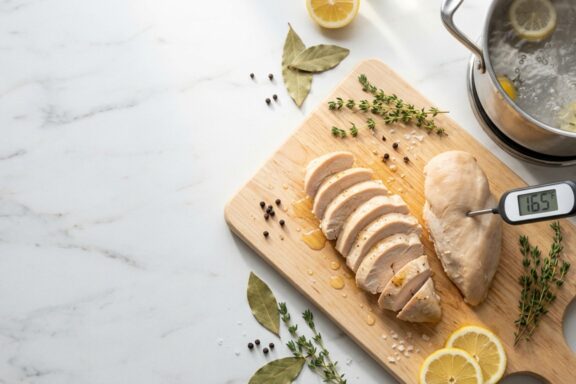
You can, but the timing is tricky. Chicken breasts can dry out over 2 or more hours, while rice needs liquid and steady heat. Bone-in thighs hold up better, and you’ll usually need extra liquid. Make sure the chicken reaches a safe internal temperature of 165°F (74°C).
Conclusion
Cooking rice in a slow cooker is a simple, low-stress method once you know the basics: rinse the rice, grease the pot, use the right ratio, and leave the lid alone. Whether you’re feeding a crowd or just freeing up a burner, you’ll get tender, fluffy rice with very little effort. Start with plain white rice, learn how your slow cooker behaves, then experiment with broths and flavor add-ins.