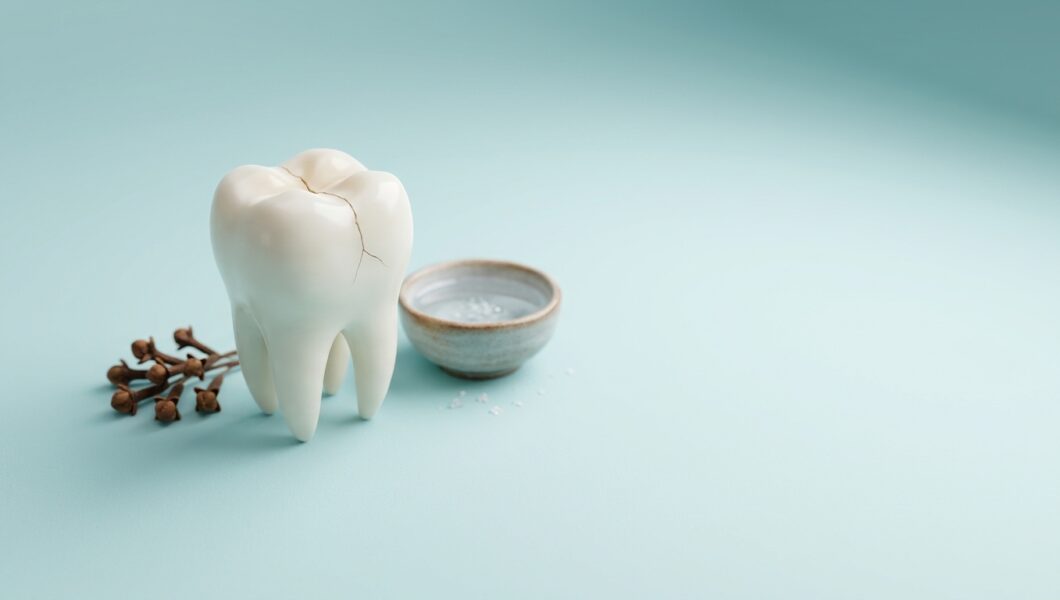
A cracked tooth can range from a tiny line you barely notice to a painful split that makes chewing miserable. Many people search for natural fixes because they want to avoid the cost or fear of a dentist visit. The honest answer is that a cracked tooth cannot repair itself, and no natural remedy can close a crack. Enamel, unlike bone, does not regenerate. What natural methods can do is ease discomfort and protect the tooth until you get treatment. This guide explains the difference, what is safe to do at home, and what needs a professional.
Why Cracked Teeth Don’t Heal Naturally
Bone knits itself back together after a fracture because it has living cells and a blood supply. Tooth enamel has neither. Once it cracks, the gap stays open, and it can slowly deepen under chewing pressure. Bacteria can then enter the crack and reach the pulp, the soft center of the tooth, causing infection.
Minerals in saliva and fluoride can strengthen weak enamel and help with tiny surface changes, but they cannot rebuild a true crack. That is why dentists treat cracks instead of waiting for them to heal.
Types of Cracked Teeth
| Type | Description | Typical outlook |
| Craze lines | Tiny surface lines in the enamel | Usually harmless and cosmetic |
| Fractured cusp | A piece of the chewing surface breaks off | Often repaired with a filling or crown |
| Cracked tooth | A crack runs from the chewing surface toward the root | Needs treatment, often a crown |
| Split tooth | The crack separates the tooth into parts | May need extraction |
| Vertical root fracture | A crack starts in the root and moves up | Often needs extraction |
Common Signs of a Cracked Tooth
- Sharp pain when you bite down, especially when you release
- Sensitivity to hot, cold, or sweet foods
- Intermittent pain that comes and goes
- Swelling in the gum near the tooth
- A rough edge you can feel with your tongue
Cracks are often hard to see, and some do not show on X-rays, so a dentist’s exam is the only reliable way to diagnose one.
Natural Ways to Manage Symptoms at Home
These steps can ease discomfort while you wait for your appointment. They do not repair the crack.
- Rinse with warm salt water
Mix half a teaspoon of salt in a cup of warm water and swish gently. It cleans the area and may calm irritated gums.
- Apply a cold compress
Hold a cold pack against your cheek for 15 minutes at a time to reduce swelling and soothe pain.
- Use clove oil carefully
Clove contains eugenol, a natural numbing agent. Dab a tiny amount on a cotton ball and touch it to the gum near the tooth, not to the tooth itself. Overuse can irritate soft tissue.
- Eat soft foods
Choose yogurt, soup, and mashed vegetables, and chew on the opposite side.
- Keep the area clean
Brush gently and floss carefully around the tooth to keep bacteria down.
- Cover sharp edges
Dental wax or sugar-free gum can protect your tongue and cheek from a rough break.
Over-the-counter pain relievers such as ibuprofen or acetaminophen can also help when taken as directed on the label.
What to Avoid
Chewing hard or crunchy foods
Ice, nuts, hard candy, and crusty bread can worsen a crack.
Extreme temperatures
Very hot or cold drinks can trigger pain.
Superglue and DIY fillings
Household adhesives are not safe for the mouth and can trap bacteria.
Acidic remedies
Lemon juice and vinegar erode enamel and irritate a damaged tooth.
Ignoring the problem
Waiting can turn a fixable crack into an infection or a lost tooth.
Professional Treatments
Treatment depends on the depth and location of the crack.
- Dental bonding:
Tooth-colored resin fills small cracks and chips in one visit.
- Filling or inlay:
Repairs a broken cusp or a crack that has not reached the pulp.
- Crown:
A cap that holds the tooth together and protects it from further splitting. This is the most common treatment for cracked teeth.
- Root canal:
Removes infected pulp when the crack has reached it, usually followed by a crown.
- Extraction:
Needed when the tooth is split or the crack extends below the gum line. A dentist can then discuss replacement options such as an implant or bridge.
Treating a crack early gives you more options and often costs less.
Step-by-Step: What to Do If You Think Your Tooth Is Cracked
- Rinse your mouth with warm water to clear debris.
- Save any broken pieces and bring them to the dentist.
- Manage swelling with a cold compress on the outside of your cheek.
- Take a pain reliever as directed if needed.
- Avoid chewing on that side.
- Call a dentist as soon as possible, ideally within a day or two.
- Seek urgent care if you have swelling, fever, or severe pain.
How to Prevent Cracked Teeth
- Avoid chewing ice, pens, and hard candy.
- Wear a mouthguard for contact sports.
- Ask your dentist about a night guard if you grind or clench your teeth.
- Replace large old fillings that weaken a tooth.
- Maintain good oral hygiene and regular checkups.
- Get enough calcium and vitamin D to support overall tooth and bone health.
When It Is an Emergency
Go to a dentist or emergency room right away if you have a swollen face, a fever, trouble swallowing or breathing, pus near the tooth, or intense pain that does not respond to painkillers. These can be signs of a spreading infection, which needs prompt treatment.
Frequently Asked Questions
Can a cracked tooth heal on its own?
No. Enamel does not regenerate, so a true crack stays and can worsen.
Can I fix a cracked tooth at home?
You can relieve symptoms, but a crack must be treated by a dentist.
Does clove oil fix a cracked tooth?
No. It can temporarily numb pain, but it does nothing to repair the crack.
How long can I wait before seeing a dentist?
As soon as possible. Delay raises the risk of infection and tooth loss.
Do hairline cracks need treatment?
Tiny craze lines often do not, but a dentist should confirm they are only surface lines.
The Bottom Line
There is no natural way to heal a cracked tooth, but there are safe ways to manage pain and protect it until you are seen. Use salt water rinses, cold compresses, and soft foods for comfort, avoid hard foods and DIY fixes, and book a dental visit quickly. Early treatment can save the tooth, while waiting can cost you far more.