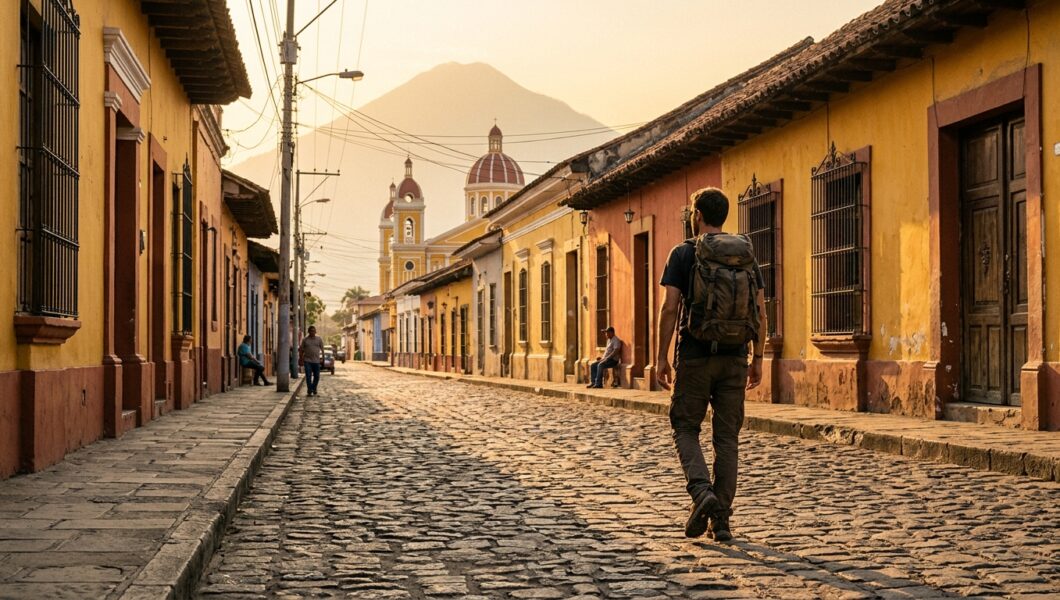
Nicaragua draws visitors with colonial cities, volcanoes, lakes, and Pacific surf beaches, and it often costs less than nearby countries. But safety is a real question this year. Government advisories are cautious, and the risks are not the usual ones. This guide covers what official sources say, the main risks, how crime and health fit in, entry rules, and practical steps to reduce problems if you decide to go. Conditions can change quickly, so always check the latest advisory before booking.
Quick Answer: Is Nicaragua Safe?
It depends on who you are and what you plan to do, but the official guidance is cautious. The US State Department rates Nicaragua at Level 3, “Reconsider Travel,” and reissued the advisory on May 14, 2026, without changing the level. The listed concerns are crime, limited healthcare, wrongful detention, and arbitrary enforcement of local laws. Level 3 is not a ban, but it is a clear warning to think hard before going.
| Official rating | Level |
| US State Department | Level 3: Reconsider Travel |
| Reasons | Crime, healthcare, wrongful detention, arbitrary law enforcement |
The Biggest Risk: Detention and Arbitrary Enforcement
What makes Nicaragua different from many destinations is the political risk. The State Department says there is a risk of wrongful detention of US nationals. It warns that detained travelers may be held for years, in poor conditions, without due process or consistent access to consular staff. It also says some US citizens have been detained for several weeks or more.
Entry and exit can also be unpredictable. US officials say the government may arbitrarily deny entry or departure, and that travel refunds are not provided in those cases. Immigration authorities regularly review social media for signs of political expression. NGO workers, teachers, professors, researchers, and students have been targeted, and journalists face increased risks.
Dual Nationality Rules Changed
On January 16, 2026, Nicaragua changed its constitution to prohibit dual nationality in most circumstances. If you hold more than one passport, or have family ties to Nicaragua, read the latest guidance carefully. Authorities may deny entry if you use a different nationality’s passport than on prior trips, so carry valid passports for every nationality you hold and consult your embassy first.
Protests and Political Activity
British government advice says it is illegal for foreigners to take part in any sort of political activity in Nicaragua, and that you can be arrested, detained, or deported for joining a protest. Large marches and gatherings, such as those around the July 19 holiday, can bring traffic disruption, roadblocks, and more encounters with police and military. Avoid crowds, do not photograph police or military personnel, and keep your opinions off social media while you are in the country.
Crime in Nicaragua
Crime is the second concern. The State Department has flagged certain areas for violent crime, sexual assault, robbery, and extortion. Like most places in the region, petty theft and opportunistic robbery are more likely than anything dramatic. Reasonable habits help:
- Avoid walking alone at night or in empty areas.
- Keep valuables out of sight and carry a copy of your passport.
- Use trusted taxis or arranged transport.
- Do not resist during a robbery.
- Skip public buses if you can, since US government employees are not allowed to use public transportation for safety reasons.
US government employees are also generally not allowed to drive after dark, which is a useful rule for any traveler to copy.
Healthcare and Natural Hazards
Healthcare is limited, especially outside Managua and other larger cities. Specialized care may require travel, and serious cases might require evacuation. Buy travel insurance that covers medical evacuation before you leave, and check the CDC or your national travel health service for vaccine guidance. Travelers coming from countries at risk of yellow fever transmission must show proof of vaccination.
Nicaragua regularly experiences hurricanes and tropical storms, earthquakes, and volcanic eruptions. Hurricane season usually runs from June to November, which overlaps with the current period, so monitor forecasts and follow local authorities.
Entry Requirements
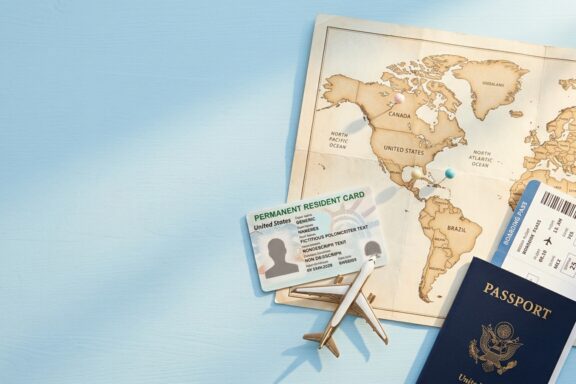
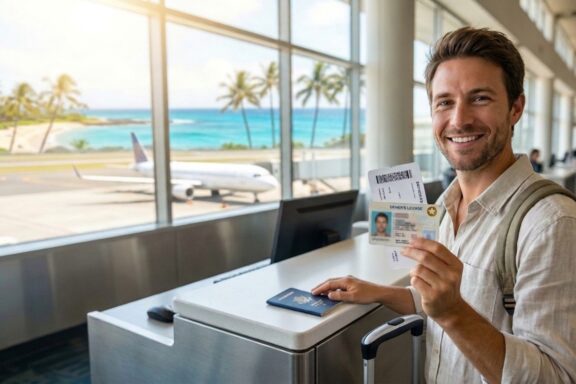
US citizens can purchase a 90-day tourist visa on arrival for $10, and passports must have six months of validity beyond your arrival date. Other nationalities have their own rules, so check with the Nicaraguan embassy. You must exit with the same passport used for entry, and overstaying leads to fines and possible trouble leaving.
Who Should Think Twice
You should be especially careful if you are a journalist, researcher, aid worker, or student, if you hold dual nationality, if you have a history of political activism, or if you have a serious medical condition. Travelers in these groups face more risk, and some may decide the trip is not worth it.
Tips for Staying Safer
- Check your government’s advisory within a week of departure.
- Enroll in your country’s traveler alert program.
- Share your itinerary with someone at home.
- Buy insurance with medical evacuation coverage.
- Stay on well-known tourist routes and use reputable operators.
- Avoid political discussions and any protest activity.
- Keep copies of key documents and emergency contacts.
Common Mistakes to Avoid
- Assuming Level 3 means a tourist trip is the same as anywhere else.
- Posting political opinions online before or during the trip.
- Ignoring dual nationality rules.
- Skipping insurance because the trip seems short.
- Traveling at night between towns.
Frequently Asked Questions
Is Nicaragua safe for tourists?
Official advisories urge caution. The main risks are detention, arbitrary enforcement, crime, and weak healthcare.
Is Nicaragua banned for travel?
No. Level 3 means reconsider travel, not do not travel.
Can I get detained as a tourist?
It is possible, and governments warn about it. Avoiding political activity lowers risk but does not remove it.
Do I need a visa?
US citizens can buy a 90-day tourist visa on arrival for $10. Check requirements for your own nationality.
What is the best way to lower my risk?
Research current advisories, buy insurance, avoid protests, and stay flexible.
The Bottom Line
Nicaragua is open to visitors, but the official picture in 2026 is cautious. The State Department keeps the country at Level 3, warning of crime, limited healthcare, wrongful detention, and arbitrary law enforcement. Many travelers still visit without trouble, yet the consequences of a problem can be serious. If you go, plan carefully, avoid politics, carry insurance, and recheck advisories right before departure. If you are unsure, it is reasonable to choose another destination.