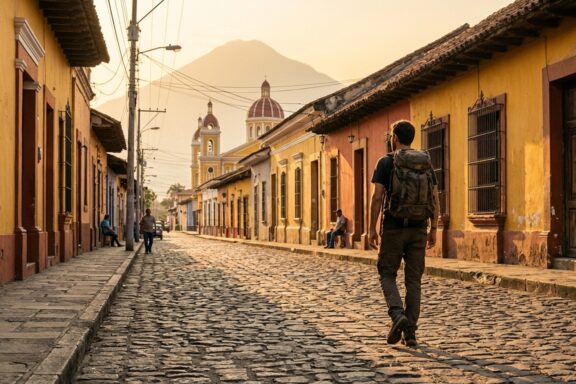
Nicaragua draws visitors with volcanoes, colonial towns, surf beaches, and low prices. It also raises safety questions. Some travelers report smooth, friendly trips, while governments warn about serious risks. This guide explains the current official advice, the main risks, and the steps that lower your chances of trouble. Rules and advisories change often, so check official sources again right before you book.
The Short Answer.
Nicaragua is not a simple “safe” or “unsafe” country. The US State Department currently lists it at Level 3, “Reconsider travel,” in an advisory issued May 14, 2026. The advisory cites crime, health risks, wrongful detention, and arbitrary enforcement of local laws. Many tourists visit without incident, but the risks are real, and some are not the usual tourist worries.
Know the Main Risk Areas.
Street crime:
Pickpocketing, bag snatching, and robbery happen, mostly in cities and busy areas.
Wrongful detention:
The State Department states that the best way to avoid wrongful detention is to avoid travel to Nicaragua.
Arbitrary law enforcement:
Local laws can be applied unpredictably, so avoid anything that looks political.
Entry problems:
The advisory warns that you could be denied entry to Nicaragua.
Health risks:
Mosquito-borne illness and food or water problems can affect visitors.
Natural hazards:
Hurricanes, earthquakes, and volcanic activity are part of life in the region.
Dual Nationals Face Extra Concern
The advisory notes that on January 16, 2026, the Government of Nicaragua changed its constitution to prohibit dual nationality. If you hold more than one citizenship, or have family ties to Nicaragua, read the full advisory carefully and speak with your consulate before traveling.
What You Need
- A valid passport with plenty of validity left
- Any visa or entry authorization your nationality requires
- Travel insurance with medical and evacuation cover
- Copies of your passport, kept separately from the original
- Insect repellent and a basic first-aid kit
- Your embassy’s contact details saved offline
- A small amount of cash in local currency
Step-by-Step: How to Plan a Safer Trip to Nicaragua
- Read the official advisory
Check your own government’s travel advice for the latest warnings. For US citizens, that is the State Department page. - Check entry rules
Confirm visa and passport requirements with official sources, and be aware that entry can be refused. - Buy travel insurance
The advisory highly recommends it. Ask whether it covers medical evacuation and trip cancellation. - Enroll with your embassy
Programs like the US Smart Traveler Enrollment Program send alerts and help locate you in an emergency. - Visit a travel health clinic
Ask about vaccines and malaria or dengue prevention. The CDC lists current health advice by country. - Plan your route
Stick to well-known destinations and arrange transport in advance, especially after dark. - Share your itinerary
Leave your plans and contact details with someone you trust at home. - Keep documents accessible
The advisory says to keep travel documents up to date and easily accessible, so store them safely but keep them reachable.
Risk Levels at a Glance
| Concern | Level of worry | How to reduce it |
| Petty theft | Moderate | Use a money belt, avoid flashing valuables |
| Violent crime | Moderate to high in some areas | Avoid isolated places and night travel |
| Wrongful detention | Serious | Avoid political activity, protests, and sensitive topics |
| Health issues | Moderate | Vaccines, repellent, safe food and water |
| Natural hazards | Seasonal | Check weather and volcano alerts |
| Entry refusal | Possible | Confirm rules and carry all documents |
Tips for Staying Safe
Avoid politics:
Do not join protests, take photos of security forces, or post political opinions online.
Use registered transport:
Choose reputable taxis and tour companies instead of random offers.
Travel in daylight:
Road conditions and lighting can be poor after dark.
Keep valuables low-key:
Leave expensive jewelry and extra cards at home.
Stay with groups:
Guided tours in remote areas add a layer of safety.
Watch your drinks:
Never leave food or drinks unattended in bars.
Common Mistakes to Avoid
Ignoring official warnings:
They exist for a reason, so read them in full.
Skipping travel insurance:
Medical care can be limited, and evacuation is costly.
Walking alone at night:
It raises the chance of theft or worse.
Posting political content:
It can attract unwanted attention.
Carrying all your cash and cards:
Split them between bags.
Drinking tap water:
Stick to bottled or purified water.
Safety Precautions
Keep a copy of your passport and leave the original in a hotel safe when you do not need it. Use ATMs inside banks or hotels, and cover the keypad. Do not resist armed robbers, since belongings can be replaced. If you are detained, ask to contact your embassy right away. Follow local news and weather alerts, especially during hurricane season. Review the Country Security Report mentioned in the advisory, and stay in touch with family while traveling.
Frequently Asked Questions
Is Nicaragua safe for tourists?
Many visitors have trouble-free trips, but official advice urges reconsidering travel, so weigh the risks carefully.
Is it safe for solo female travelers?
Take extra care with transport, nightlife, and isolated areas, and consider group tours.
Do I need travel insurance?
It is strongly recommended, with evacuation coverage included.
Is the tap water safe?
Most travelers stick to bottled or filtered water.
Can I be denied entry?
Yes. The advisory says entry can be refused, so carry all required documents.
The Bottom Line
Nicaragua offers beauty and value, but it carries real risks, from street crime to wrongful detention. The State Department’s Level 3 advisory asks travelers to reconsider, so take it seriously. If you still choose to go, read the official advisory, buy travel insurance with evacuation cover, enroll with your embassy, avoid politics, and travel in daylight. Dual nationals should be especially careful. Recheck official guidance just before you leave, since conditions can change quickly.