Introduction
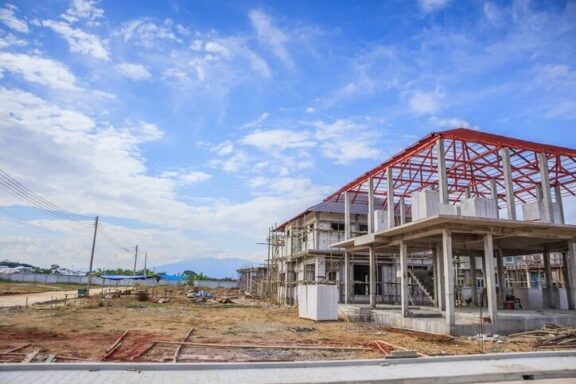
Let’s be honest: construction sites are risky places. You’ve got heavy machinery, people working at height, live electricity, and conditions that change by the hour. One small slip-up can turn into a serious injury faster than you’d think.
And the damage doesn’t stop with the injury. Workers and their families carry the human cost, while companies deal with delays, legal trouble, higher insurance bills, and a bruised reputation. A safe site protects your people and your schedule and budget too.
So here are 15 practical tips to help you keep your site safe, from the planning stage to everyday habits to the culture you build over time.
Part 1: Plan Before Work Begins
1. Do a Proper Site Risk Assessment
Safety starts before anyone picks up a shovel. Walk the site and look for trouble: uneven ground, overhead power lines, buried utilities, shaky structures, nearby traffic. For each hazard, ask yourself how likely it is to hurt someone, how bad it could be, and what you can do to cut the risk. Then do it again whenever things change, like after a storm or when a new phase kicks off.
2. Put Your Safety Plan in Writing
A good safety plan turns good intentions into actual rules. It should cover site rules, hazard controls, emergency procedures, who’s responsible for what, and how to report problems. Make sure every worker and subcontractor can get to it, and update it as the job evolves. A plan that’s stuffed in a drawer doesn’t protect anyone.
3. Hire People Who Know What They’re Doing
Check that your workers have the licenses, certifications, and experience their tasks demand. Anyone running a crane, forklift, or excavator should be certified on that machine. Hold subcontractors to the same standard, because their mistakes can put your whole crew at risk.
Part 2: Protect the People on Site
4. Provide PPE and Make Sure It’s Worn
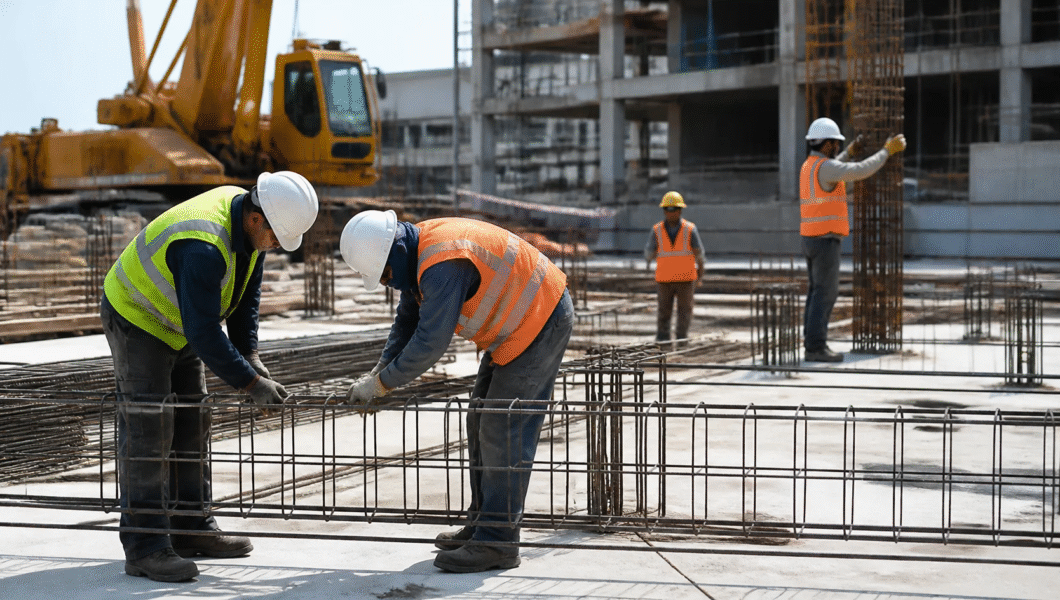
Personal protective equipment is your last line of defense when everything else fails. Depending on the job, that means hard hats, safety glasses, gloves, steel-toed boots, high-vis clothing, hearing protection, and respirators. Give your crew gear that’s in good shape, show them how to use it, and enforce the rules every time. If the rule only applies some of the time, people soon stop following it at all.
5. Keep Training Going with Toolbox Talks
A site induction on day one is a must, but people forget things. Short 10 to 15 minute toolbox talks at the start of a shift or week keep hazards fresh. Make them about what the crew is actually doing that day, whether that’s trenching, lifting, or roofing, and let workers share what they’ve noticed. They often know things you don’t.
6. Make Sure Everyone Knows the Emergency Plan
When something goes wrong, nobody wants to be figuring out what to do on the fly. Post evacuation routes and assembly points where people can see them, keep first aid kits stocked, and make sure fire extinguishers are easy to reach and regularly checked. Train a few people in first aid and CPR, and run drills now and then. Everyone should know who to call and where the nearest hospital is.
Part 3: Prevent the Most Common Hazards
7. Stop Falls Before They Happen
Falls from height are one of the biggest causes of serious injury and death in construction, so this one deserves real attention. Put guardrails and toe boards on edges and openings, cover floor holes securely, and use fall arrest systems where needed. Scaffolding should be put up by competent people, checked every use before, and never overloaded. For ladders, pick the right type and height, set them on firm ground, and use them properly.
8. Keep Walkways and Work Areas Clean
Good housekeeping prevents more accidents than most people expect. Debris, loose materials, stray cables, and spills lead to slips and trips, and they can block escape routes when it matters most. Assign cleanup duties, provide plenty of bins and skips, and store materials neatly away from walkways.
9. Take Electrical Safety Seriously
Electricity is a constant risk on active sites. Use ground-fault circuit interrupters, check cords and plugs for damage, and keep electrical gear away from water. Find and mark overhead and buried power lines before work starts. And when someone’s servicing a machine, use lockout/tagout procedures so nobody can switch it on while hands are inside.
10. Handle Heavy Machinery and Vehicles with Care
Moving equipment is dangerous for operators and people on foot alike. Keep pedestrian walkways separate from vehicle routes where you can, use a spotter when reversing, and make sure every machine has working backup alarms, lights, and mirrors. Don’t let untrained workers operate equipment, and keep everyone out of the swing radius of excavators and cranes.
Part 4: Manage the Site Day to Day
11. Use Clear Signs, Barriers, and Security
Signs tell workers and visitors about hazards, required PPE, and restricted areas. Barriers and fencing keep unauthorized people out, which protects the public and cuts down on theft and vandalism. Secure the site after hours, lock up hazardous materials, and have visitors sign in and get a quick safety briefing.
12. Inspect Tools and Equipment Regularly
Faulty equipment is an accident waiting to happen. Set up a routine for checking tools, ladders, lifting gear, and machinery before use, with more detailed inspections at regular intervals. If something’s damaged, tag it and take it out of service until it’s fixed or replaced. Keep maintenance records so you can spot recurring problems.
13. Make It Easy to Speak Up
Workers often spot problems before supervisors do, but only if they feel safe saying something. Make reporting simple, whether that’s a form, an app, or a quick word with a supervisor, and never punish anyone for raising a concern. Follow up quickly and tell them what you did about it. Good communication between trades also prevents risky overlaps, like one crew working right underneath another.
Part 5: Build a Lasting Safety Culture
14. Lead by Example
Your crew watches what you do far more than what you say. If a supervisor skips PPE or rushes a task to save time, everyone else will too. Follow every rule yourself, show up to safety meetings, and make it clear that no deadline is worth someone getting hurt. It also helps to recognize people who work safely or flag a hazard. Praise goes a long way.
15. Learn from Incidents and Near Misses
Every incident, and every near miss, is a chance to get better. Dig into what happened and why, and focus on root causes rather than pointing fingers. Then act on what you find by changing procedures, retraining people, or fixing equipment. Share the lessons with the whole team so the same mistake doesn’t happen twice, and track trends over time to see if your efforts are paying off.
Conclusion
Keeping a construction site safe comes down to planning, training, staying alert, and building a culture where people look out for each other. If you remember nothing else, remember this:
- Assess risks and plan before work begins.
- Equip and train your people, and enforce the rules consistently.
- Focus on the big hazards: falls, electricity, and moving machinery.
- Inspect, communicate, and keep the site tidy every single day.
- Learn from every incident and near miss.
Quick daily safety checklist:
- Walkways clear and free of debris
- PPE worn correctly by everyone
- Scaffolds, ladders, and guardrails inspected
- Equipment and tools checked before use
- Signs and barriers in place
- Emergency exits and first aid kits accessible
- Daily toolbox talk done
FAQs
What are the most common causes of construction site accidents?
Falls from height, being struck by objects, electrocution, and getting caught in or between equipment or materials. These account for most serious injuries and deaths on site.
Who is responsible for safety on a construction site?
Everyone, though in different ways. Employers and project owners must provide a safe environment and proper training, supervisors have to enforce the rules, and workers need to follow procedures and report hazards. Specific legal duties vary by location, so check the regulations where you work.
How often should site safety inspections be done?
Do a quick walkthrough every day before work starts and a more formal inspection each week. Inspect again after severe weather, equipment changes, or any incident. Scaffolds and lifting equipment often need checking before every use or at intervals set by regulation.